No Fixed Departure Available!
Dates: 8-18 May 26
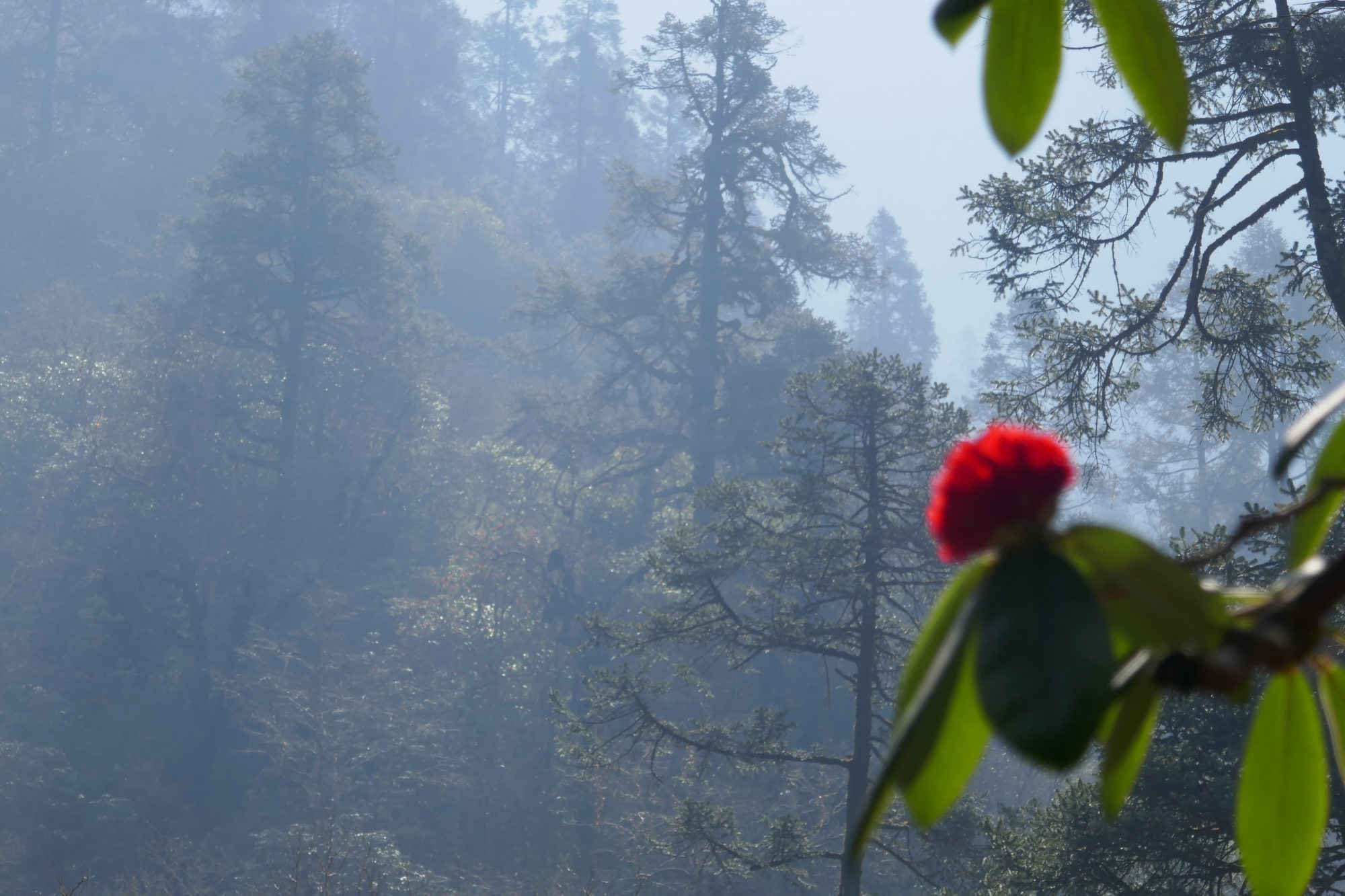
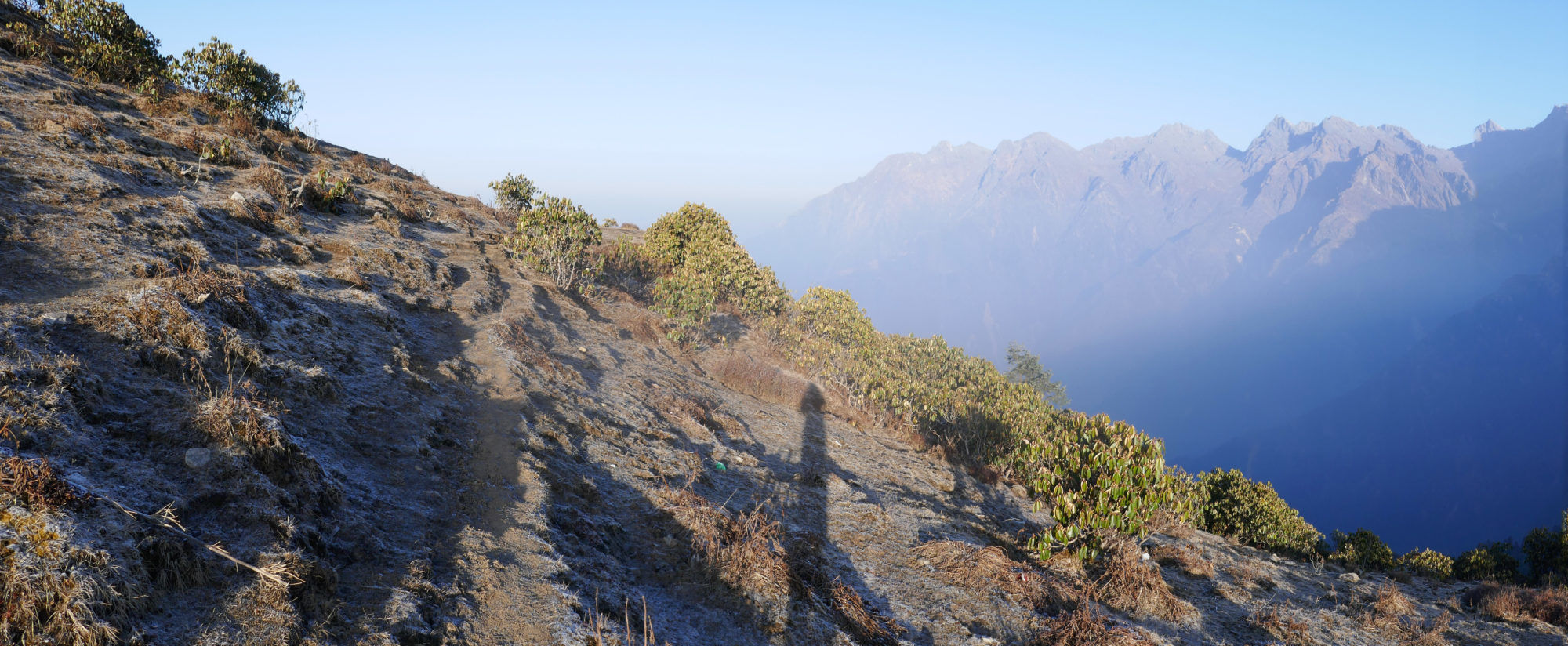
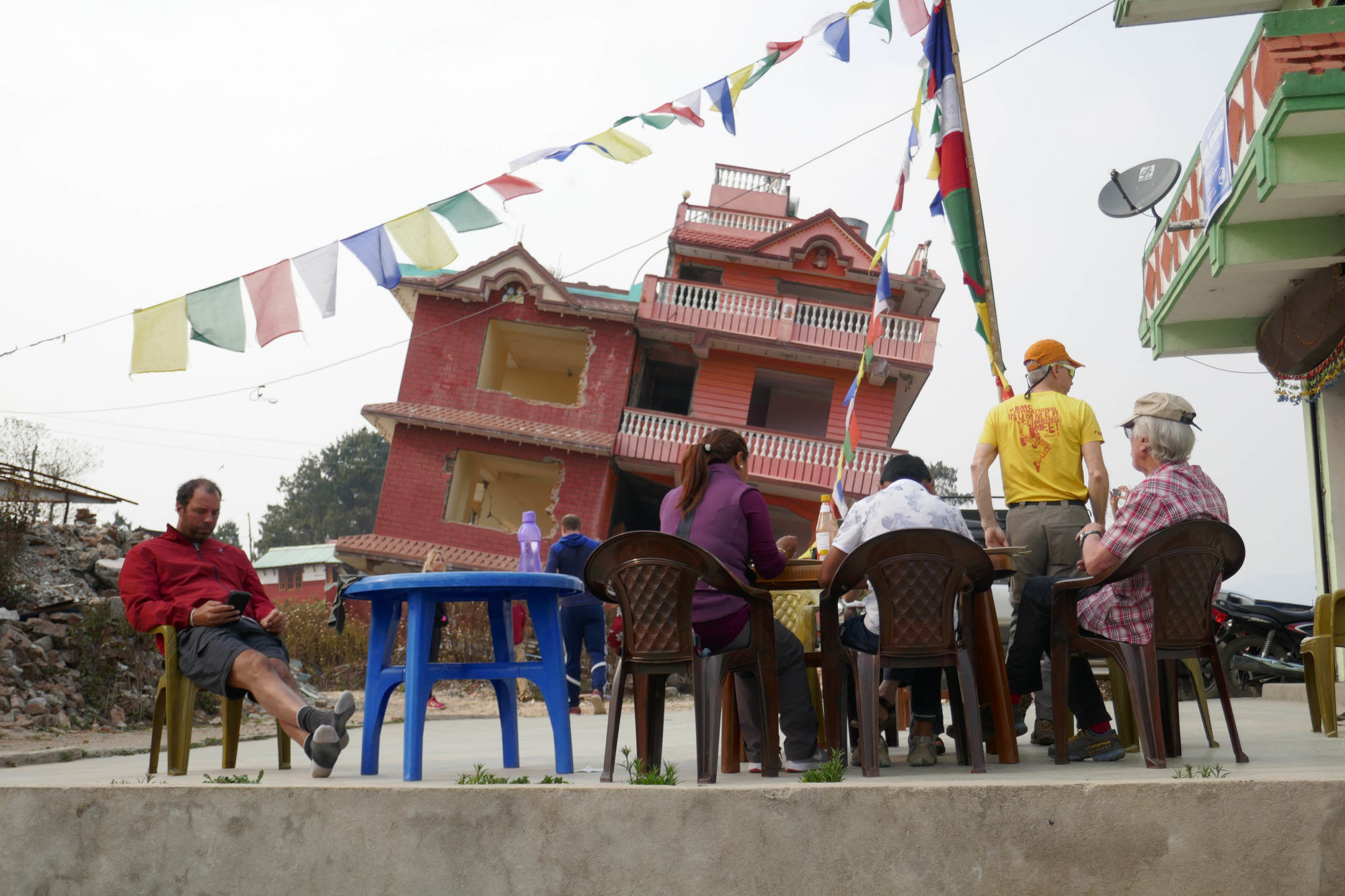
Join us for a trek in the Helambu Region and explore sacred lakes, Tamang culture and some of the most beautiful Himalayan scenery you are ever likely to see. You will meet the population of Hyolmos Lamas Sherpa and share their world. This is the gateway to the Langtang Region and Everest Region. As we trek towards the spectacular Gosaikunda Lakes, we move through high terrain, reaching altitudes of up to 5,000 meters, passing through old pine forests and rhododendrons. This is the domain of the rare Red Panda, as well as a variety of monkeys and the Himalayan black bear.
Overview
Gosaikunda, and Helambu Trek is a perfect combination of the remote and splendid Valley of Langtang with the purest holy lake of Gosaikunda and culturally rich Helambu Valley. The trail lies on the north side of Kathmandu valley near the Tibetan border, also known as Langtang Circuit Trek.
The trekking route is highly appealing and most easily accessible from the capital city, Kathmandu.
Highlights
- Rhododendrons in bloom and magnolia
- Seeking the rare red panda opportunity
- Seeing a black mountain fox and several eagles
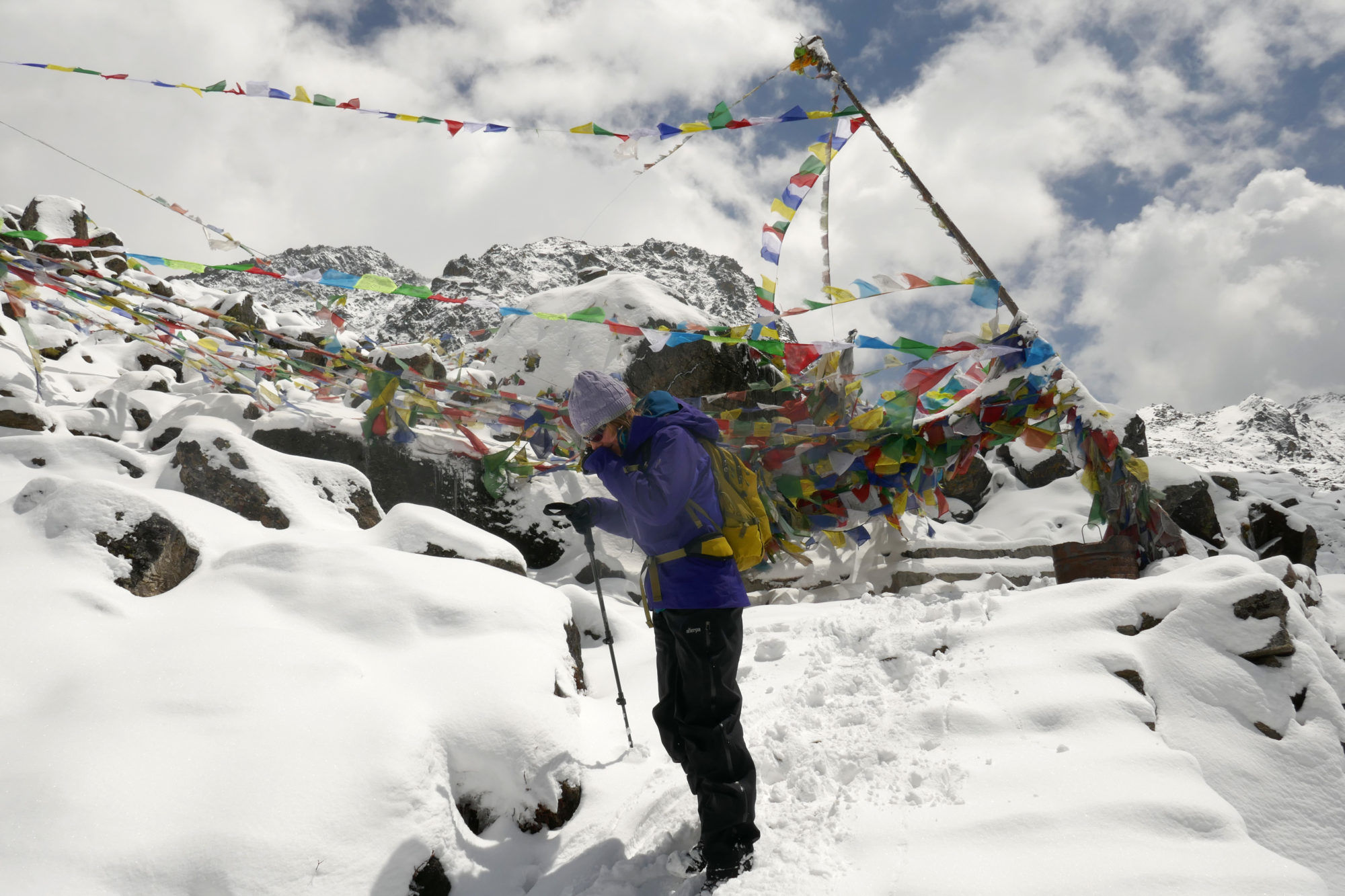
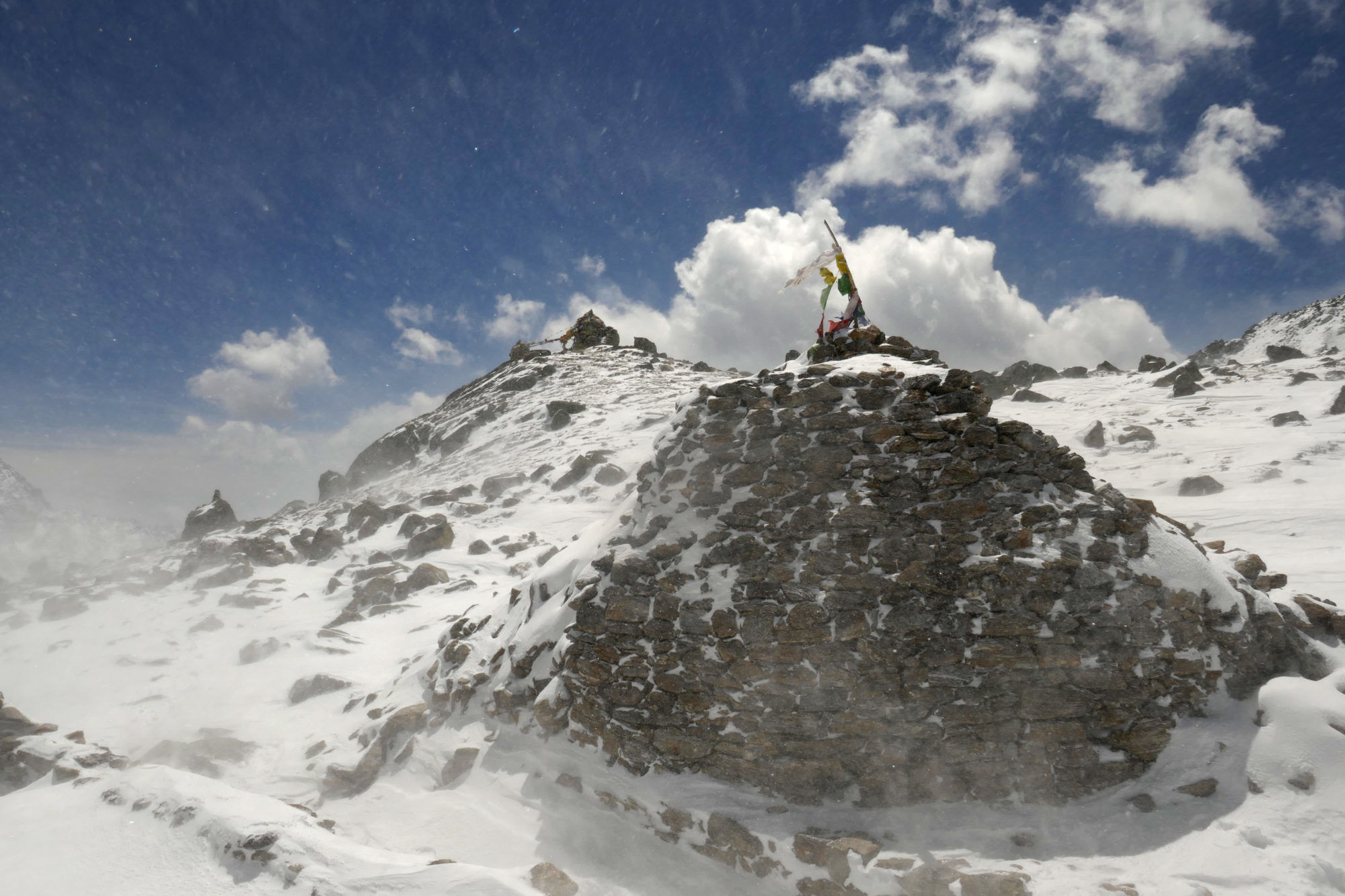
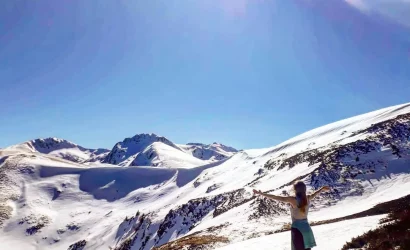
- Crossing the stunning Lauribina pass 4610m
Day 1 :
Arrival and meet our team in Kathmandu
Arrival and meet our team at Kathmandu International Airport and transfer to your hotel. Stay overnight in Kathmandu in a 3* Hotel or the fabulous Kathmandu Guesthouse. Rest day and a chance to explore Kathmandu. (D)
Day 2 :
Rest day in Kathmandu
We will have the chance to visit Durbar square and to explore the immediate vicinity of the hotel and get acclimatised to this bustling city. Alternatively, you may prefer to recover from your journey by relaxing beside the hotel pool. Your guide will take dinner with you and will provide an informal briefing about the trip ahead. (B,L)
Day 3 :
Drive from Kathmandu to Sundarijal (1350m.) Walk to Chisopani
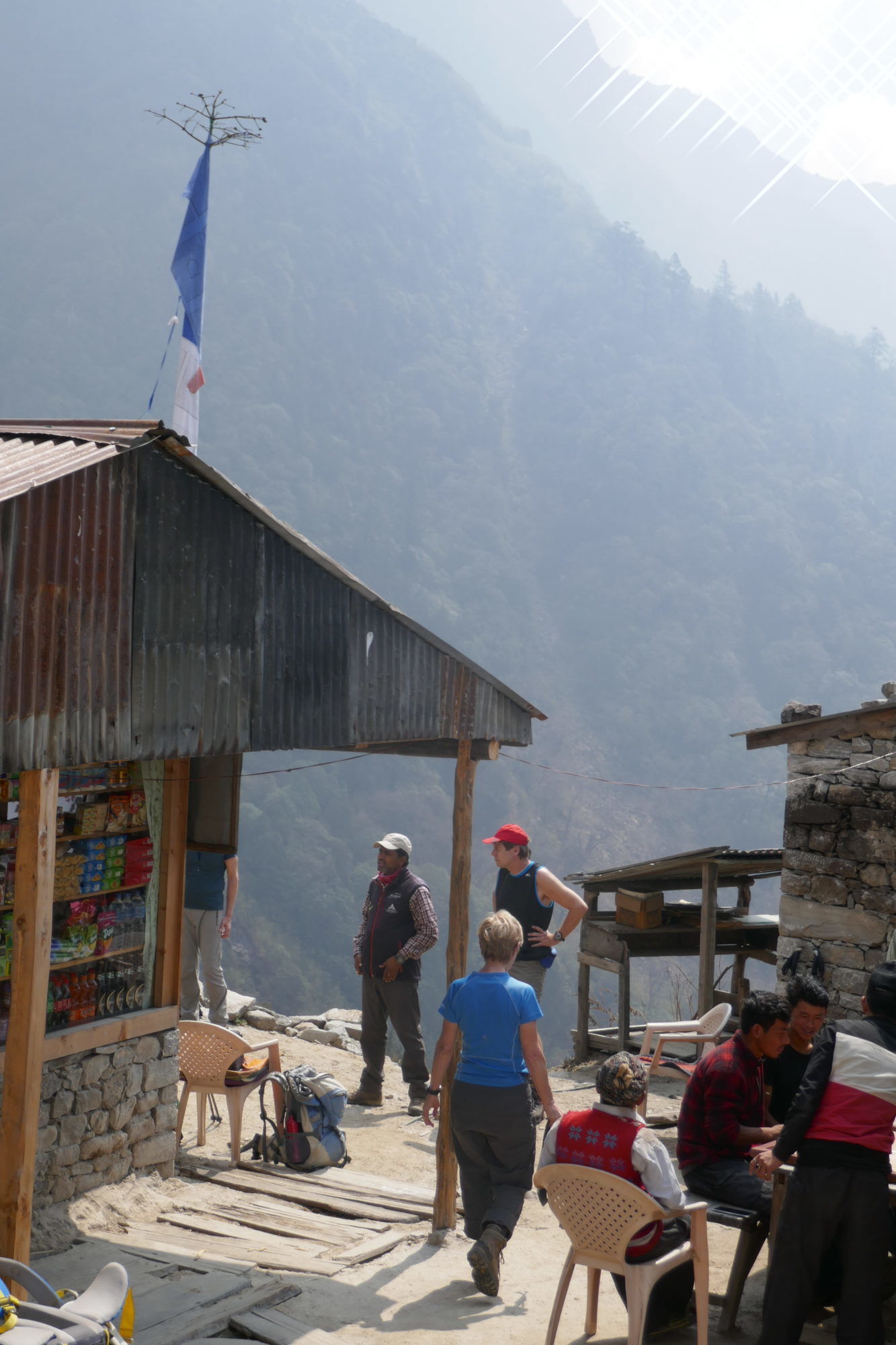
Drive from Kathmandu to Sundarijal (1350m.) which takes about one hour and then the uphill walk to Chisopani. The unpaved road from Kathmandu turns into a trail near a small hydroelectric plant. The trail will enter through the Shivpuri Watershed and Wildlife Reserve. It is a busy picnic spot of the valley-dwellers on public holidays. Lush greenery, sources of water and serene environment greet us as soon as we reach there. The first settlement you will come across is Mulkharka with Tamang inhabitants. The route heads down the ridge through a forest of oaks and rhododendron to Chisapani (2300m.) For small groups, it is also possible to get a 4×4 to Chisapani in 2 hours.
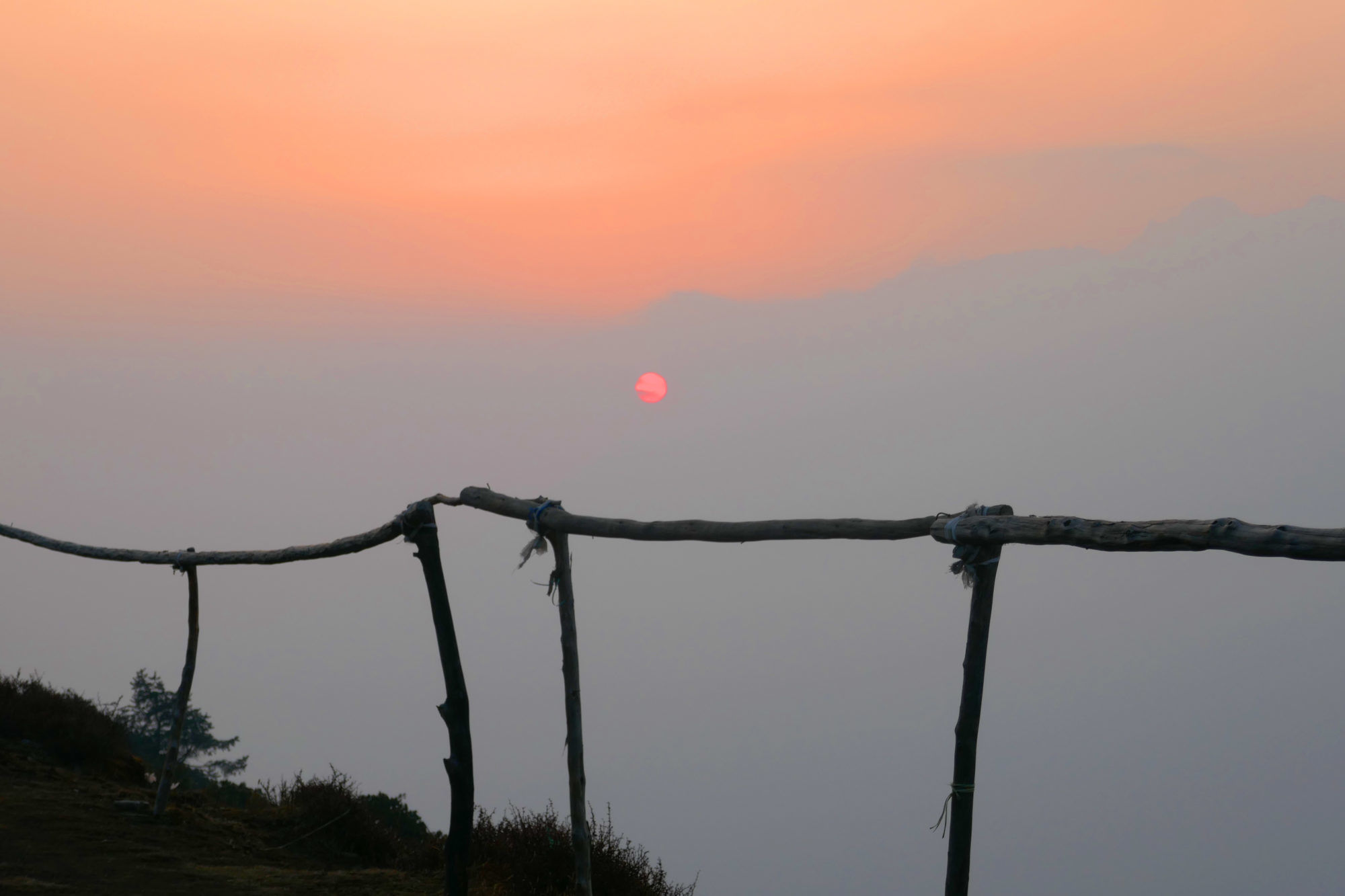
Walking through a few settlements and a lot of forest with variety of birds and chances of sighting animals, we arrive at Chisapani. There is an added fun of having packed lunch on the way. The total duration of the hike is nearly five hours. Chisapani is a Sherpa village, offering grand views of the mountains. Relieve yourself in the evening by watching a picturesque sunset from the village, and retire to a teahouse to spend the night. Walking through a few settlements and a lot of forest with variety of birds and chances of sighting animals, we arrive at Chisapani. There is an added fun of having packed lunch on the way. The total duration of the hike is nearly five hours. Chisapani is a Sherpa village, offering grand views of the mountains. Relieve yourself in the evening by watching a picturesque sunset from the village, and retire to a teahouse to spend the night. (B,L,D)
Day 4 :
Chisopani - Kutumsang at 2470m
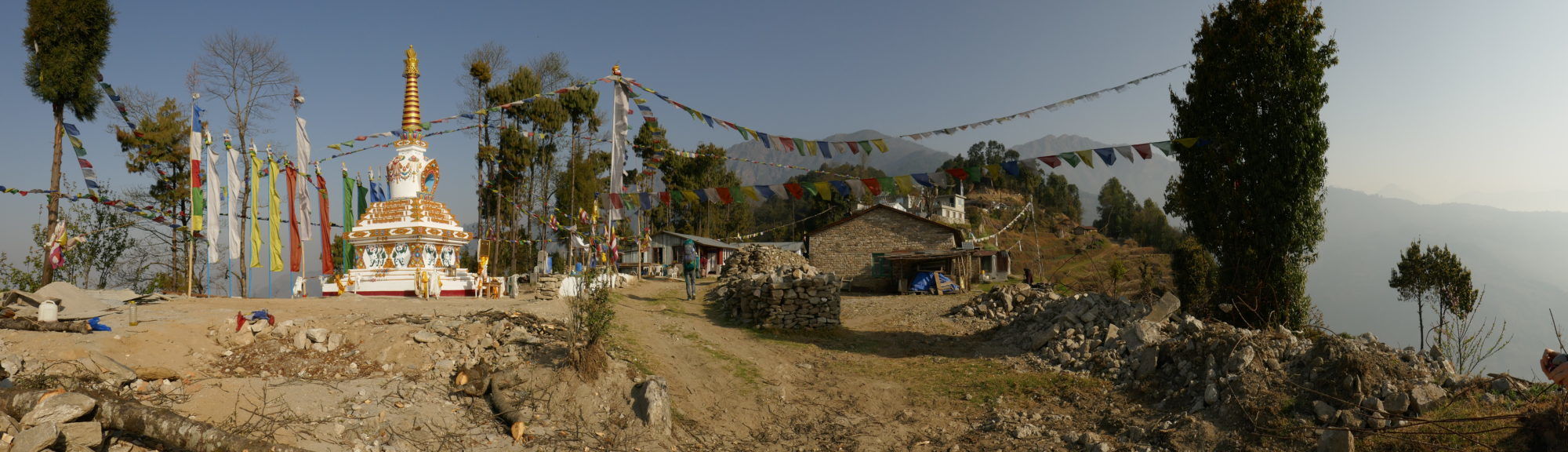
The trail continues to drop from Chisopani on a good, sometimes level, trail that crosses meadow and fields. You will then descend through Pathi Bhanjyang park post seeing stupa along the way on the way to Chipling (2170m). The trail climbs the ridge from Gul Bhanjyang to another pass at 2620m. The meadow makes a good camping spot, its downhill to Kutumsang at 2470m, in a saddle atop the ridge. (B,L,D)
Day 5 :
Trek from Kutumsang to Mangengoth (3390 m)
The trail climbs above Kutumsang on a steep, eroded trail mostly through fir and rhododendron forest where there are no permanent settlements. The trail then descends to Magen Goth. (B,L,D)
Day 6 :
Trek Mangengoth to Ghopte (3550m)
2. Day 6 Trek Mangengoth to Ghopte (3550m)
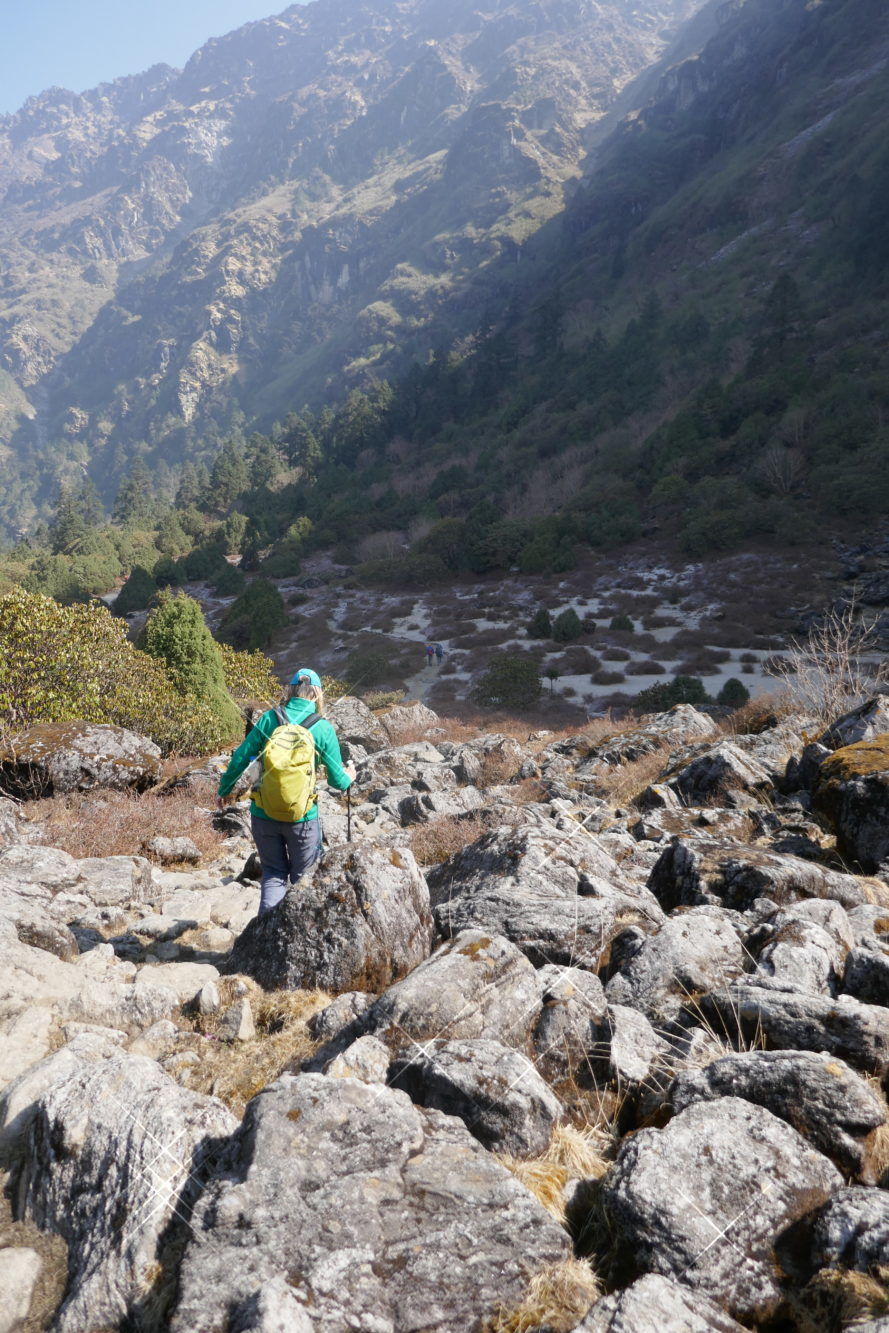
Next, you have to climb, steeply at first then more gradually, the trail makes some ups and downs passing through the forest, across flower strewn meadows and crossing streams. You will reach Tharepati pass (3690m) which consists of a few Goths and lodges on a fine open plateau. From the top of this famous ridge the trail descends through the forest, climbing in and out of ravines across and crossing sandy river beds the head of the valley. Cliffs tower above as we ascend to Ghopte. (B,L,D)
Day 7 :
Gopte (3530m) – Phedi (3630m)
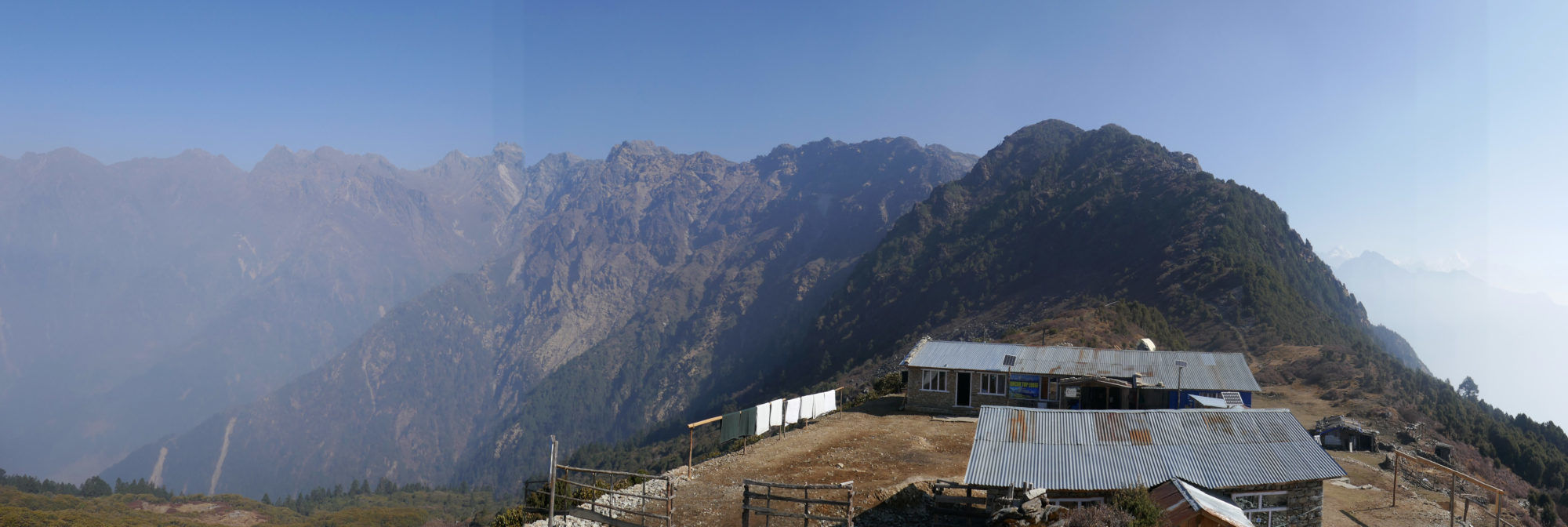
Today we take it easy and complete this half day trek in anticipation of crossing Lauribinayak pass (4610m) pass the following morning. This is the opportunity to look out for red panda when we meet out local guide at the hut. These pandas typically grow to the size of a house cat, though their big, bushy tails add an additional 18 inches. The pandas use their ringed tails as wraparound blankets in the chilly mountain heights. We have seen their footprints in the snow outside the refuge. Red pandas have a taste for bamboo but, unlike their larger relatives, they eat many other foods as well—fruit, acorns, roots, and eggs. We keep flexibility in mind here in case it is best to continue for weather or group reasons. (B,L,D)
Day 8 :
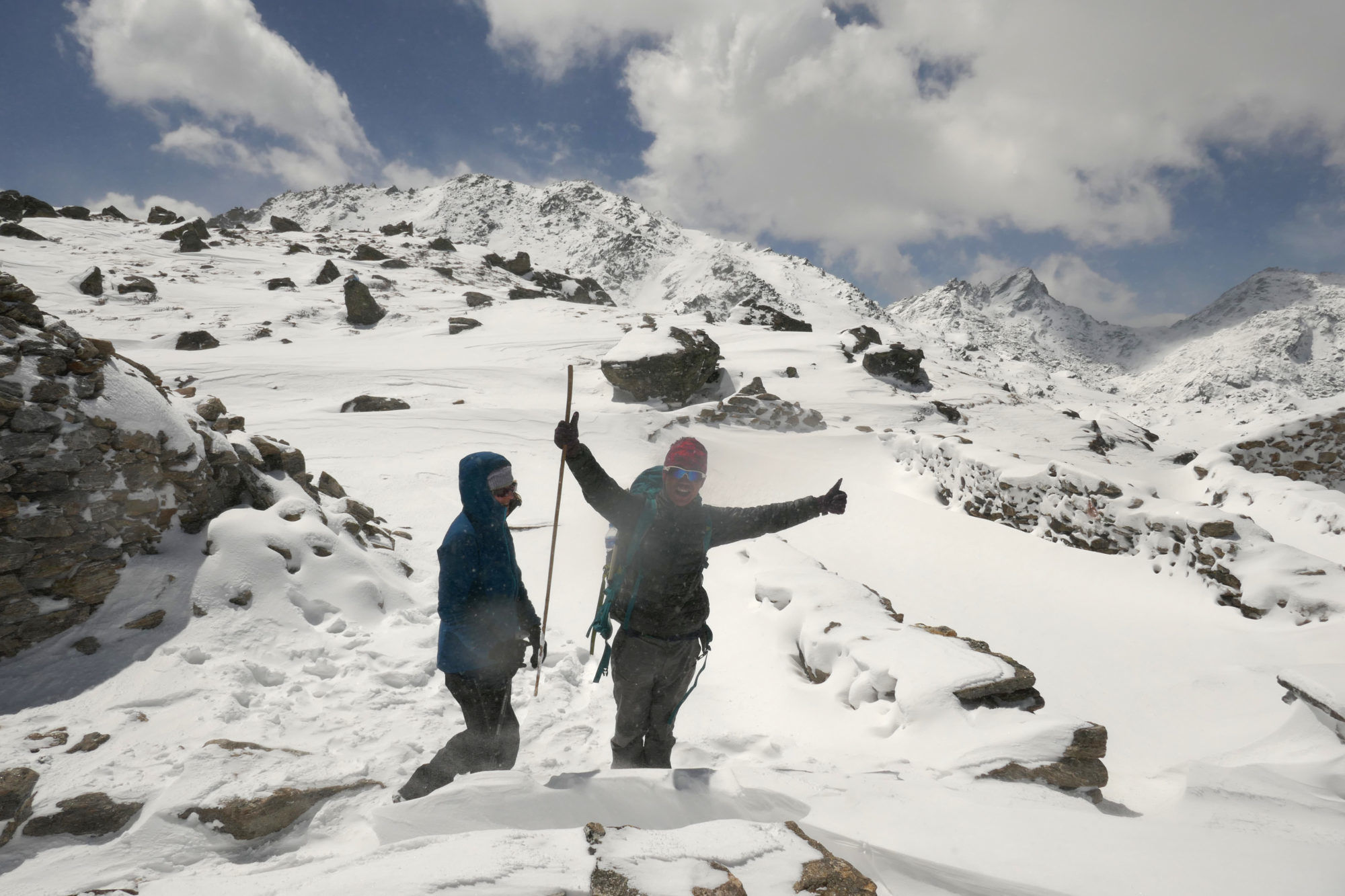
Climb up to Lauribina pass (4610m) and then drop down to Gosaikunda lake (4460m)
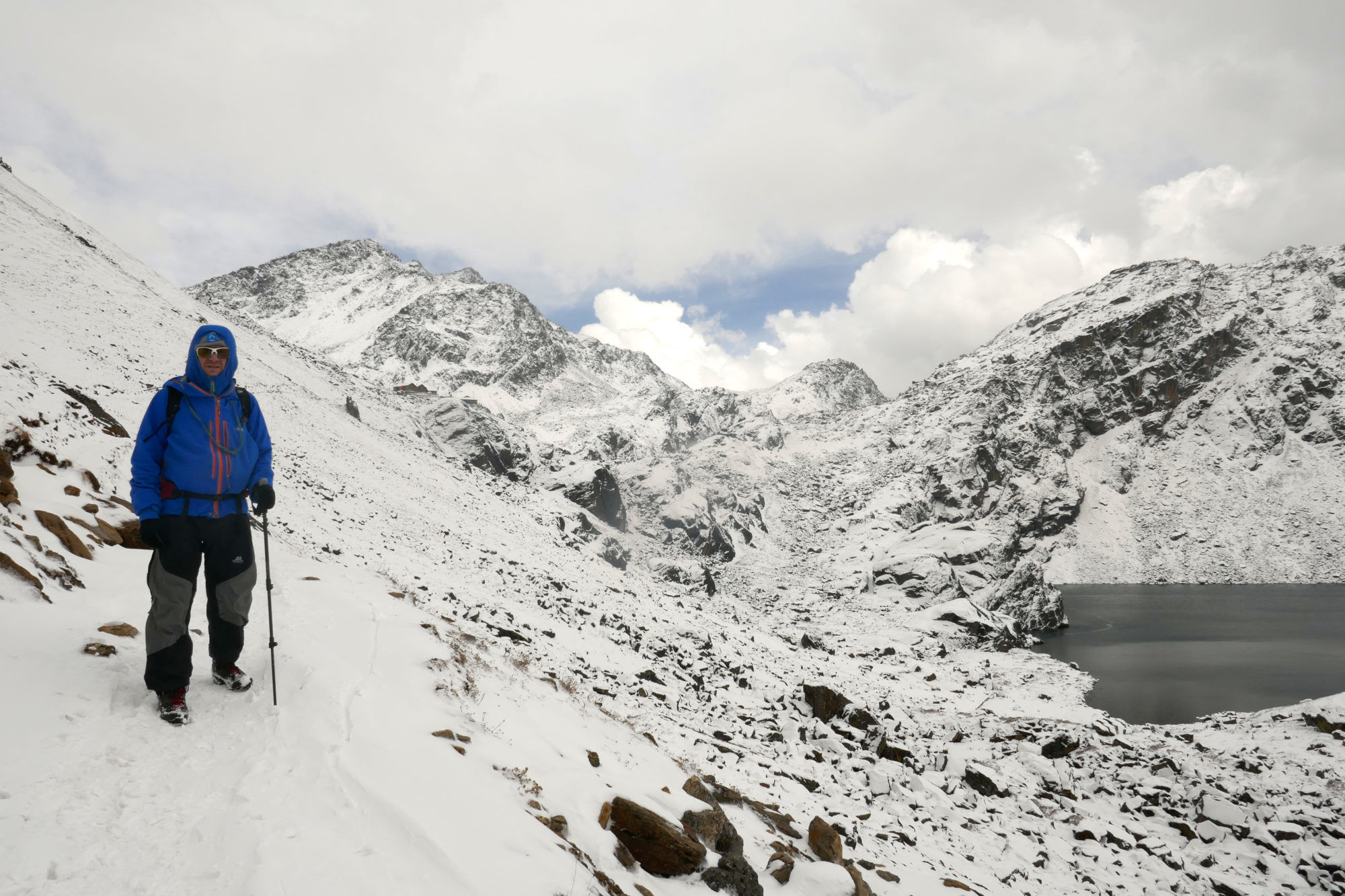
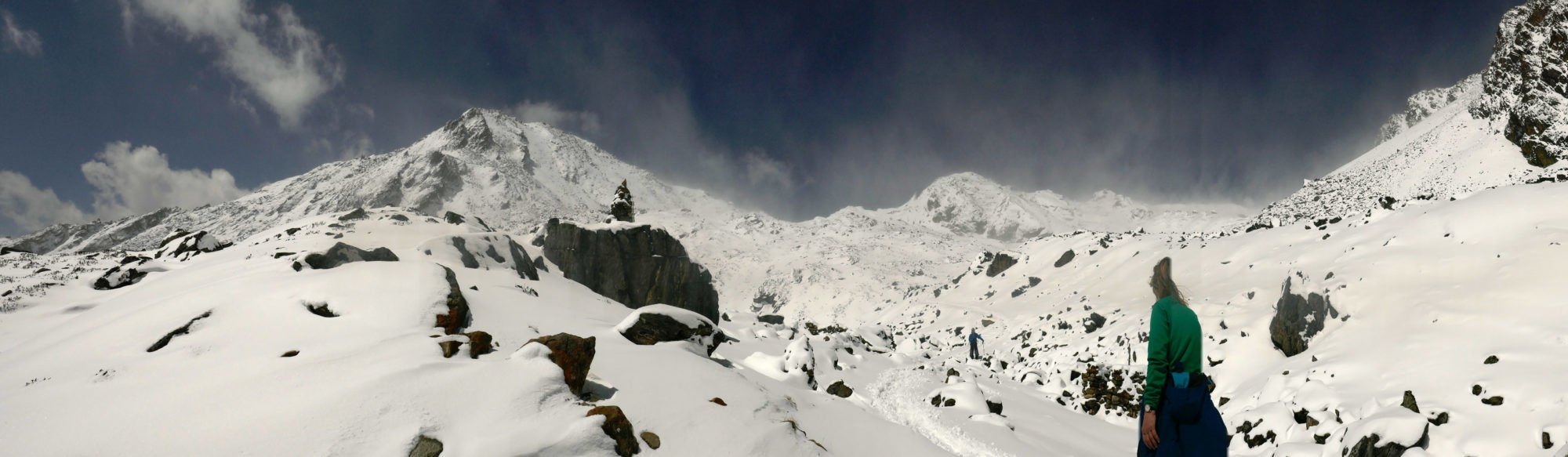
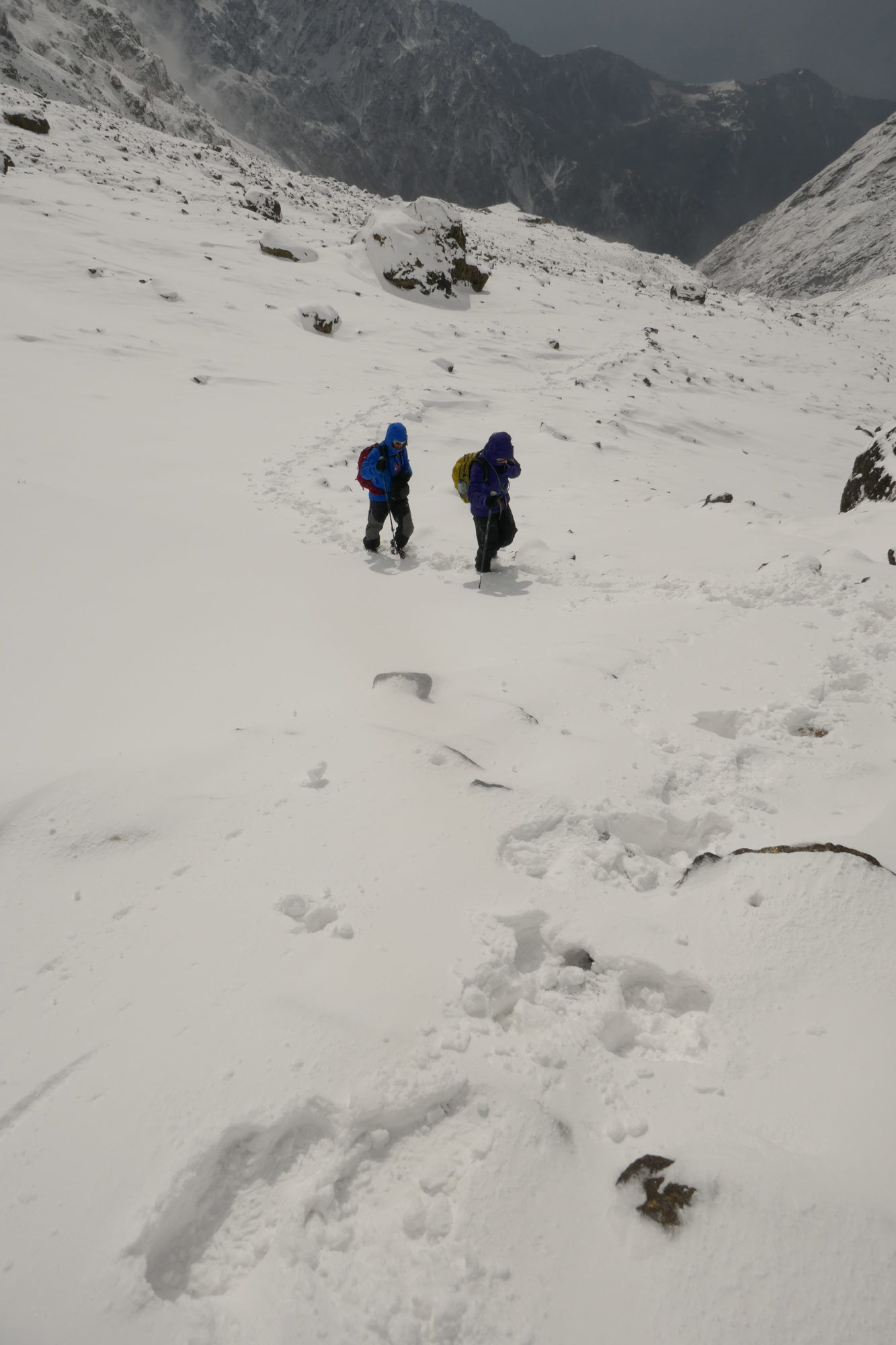
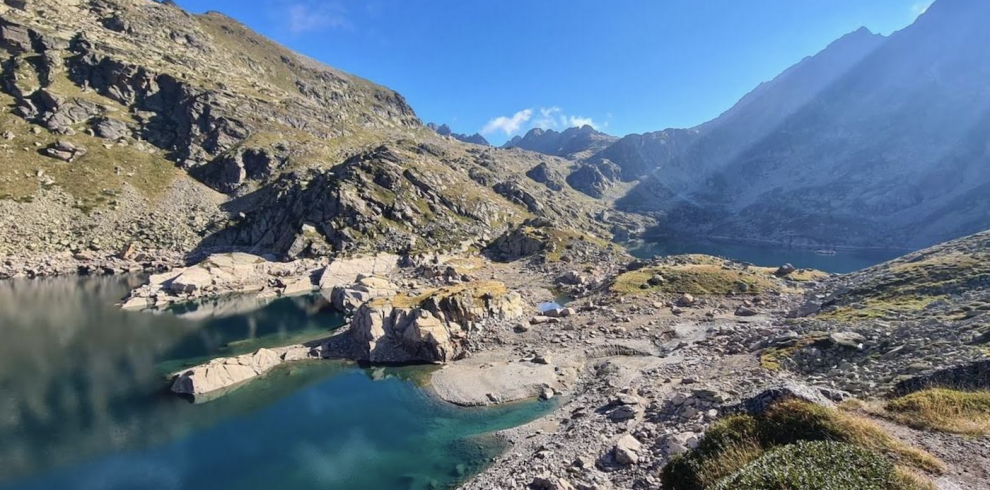
We climb from the refuge to the spectacular Lauribina pass (4610m) and then drop down to Gosaikunda lake (4460m) and it takes about seven hours. From the top of Lauribina pass, you get an excellent view of Rolwaling, Jugal Himal, Gang Chhenpo (6388m), Langshisha (6427 m.) and many other snow caped mountains and peaks. We climb down 300 m down passing four lakes with spectacular views of Ganesh Himal, Manaslu, Annapurna to reach Gosaikunda Lake. According to legend, Gosainkunda was created by Shiva when he pierced a glacier with his trident to obtain water to quench his thirst after having swallowed a poison that threatened to destroy the world. There are few tea houses and lodges at the lakeside. Gosaikunda lake is a holy lake where people gather during the month of August to pay homage to God Mahadev (Shiva). (B,L,D)
Day 9 :
Gosaikunda lake – Chadanbari {Sing Gompa) – Deurali - Dhunche (2250m)
Day 9 Gosaikunda lake – Chadanbari {Sing Gompa) – Deurali - Dhunche (2250m).
6 hrs
We will trek from Gosainkunda to Dhunche and it takes about 6 hours via Sing Gompa Buddhist monastery (3330m). However, its major attraction is the yak-cheese factory, where the owner is happy to show off his store and explain the cheese making procedure. This is a descending trail all the way through and we will follow mainly forest paths in the afternoon. On the way, we can see the view of Langtang Lirung (7227m), Ganesh Himal, Manaslu Range and the good view of Dorje Laktpa (6966m). We trek downhill all the way to Ghatte Khola (stream) passing forest, a small village Dimsa and terraces. Overnight in tea house. (B,L,D)
Day 10 :
Dunche - Kathmandu
We will wake up in the morning to commence our journey back to Kathmandu which will take approximately 1.5 hours. (B,L,D)
Day 11 :
Kathmandu relaxation and departures
Your holiday ends after breakfast. Transfers to Kathmandu Airport are provided. To extend your holiday in Nepal, why not pre-book a day's sightseeing tour in the Kathmandu Valley, or a multi-day excursion to the wildlife reserve at Chitwan. Contact us for details.
- Airport transfers to and from the airport on the first and last day
- 2 nights hotel accommodation in Kathmandu
- Welcome dinner at a traditional Nepalese restaurant in Kathmandu
- Accommodation in teahouses (lodges) during the trek
- Entry Permit for Langtang National Park
- Information Management system (TIMS) card trekking fee.
- All necessary transportation
- International Mountain Leader and Nepali porter guide
- All meals while trekking, breakfasts in Kathmandu, welcome and farewell dinner in Kathmandu. The food available in the tea houses is brilliant, there is a large selection of western, Chinese and Nepalese food available for you to choose from. We do not want you to be restricted in your menu choices and want you to enjoy the vast menus and locally grown produce of the tea houses.
- Afternoon tea and biscuits while trekking
- Airport transfers to and from the airport on the first and last day
- All transportation for duration of tour (unless otherwise stated)
- Entrance fees and trekking permits
- Porters for carrying your bags whilst trekking
- Guided tour of the three temples of Kathmandu
- Pre-departure support and advice by email, phone and face to face meetings
- Remote medical support from specialist doctors
- No more than 12 people on a set departure trip
- Our teams are supported with plenty of staff so you can walk at your own pace.
- Our guides and porters are paid fairly, properly equipped and fully insured for rescue and medical emergencies
- Map of the Langtang valley
- Personal nature expenses such as drinks, beverages, hot shower, battery recharge etc.
- Tips
- Lunch and dinner in Kathmandu
- Alcoholic beverages
- Your travel insurance
- International airfare and airport departure tax
- Nepal visa fee
- Any costs resulting from you needing to leave the programme early
No Fixed Departure Available!
Why do people visit Gosaikunda lakes?
Its waters are considered holy and of particular significance during the Gangadashahara and the Janai Purnima festivals when thousands of pilgrims from Nepal and India visit the area. According to legend, the spring that feeds the pond in the Kumbheshwar temple complex in Patan is connected to Gosaikunda.
When is the best season for the Gosaikunda Helambu trek?
The best time to do the Gosaikunda Helambu trek is in the spring (March to May) and autumn (Mid- September to Mid-December) seasons.